Size 15

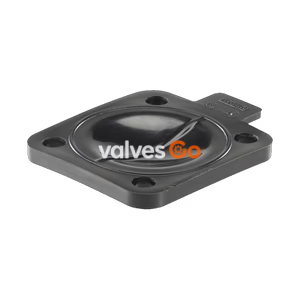
Burkert 20129304 Type SV02 passivation diaphragm DS80. Made of EPDM for temperatures from -10°C to 143°C. Features FDA, USP Class VI, and EC 1935/2004 approvals.
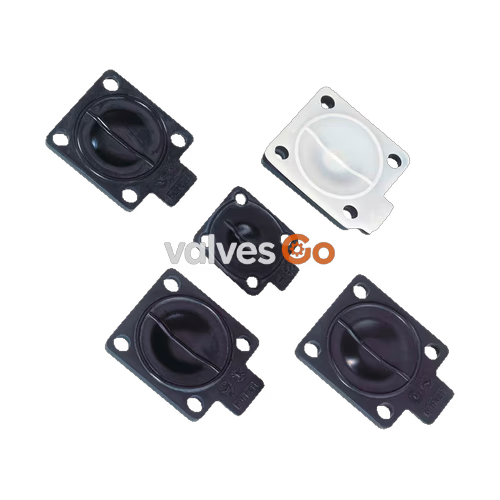
The Burkert 20129304 Type SV02 is a passivation diaphragm (size 80) constructed from EPDM (Ethylene-propylene-diene rubber). Designed for process applications, it supports a medium temperature range of -10 °C to 143 °C and features a threaded connection. This diaphragm is highly certified, meeting FDA, USP Class VI, and EC 1935/2004 standards for food and pharmaceutical compliance.
| Feature | Value |
|---|---|
| Type | SV02 |
| Function | Passivation diaphragm |
| Diaphragm Size | 80 |
| Material | EPDM (Ethylene-propylene-diene rubber) |
| Temperature Medium | -10 °C to 143 °C |
| Approvals | Material-approval-foods, Material-approval-pharma-USP Class VI |
| Certifications | Food compliant for China, Food (EC) 1935/2004, FDA compliant, Pharma USP Class VI-compliant |
Elastomer parts can lose their physical and chemical properties as storage time progresses due to influencing factors such as light, heat, ozone, humidity, deformation, oxygen, oils, and solvents. International standards such as DIN 7716 or ISO 2230 Basic provide instructions for correct storage. Correct storage is an important factor in the operating life of elastomers, especially for highly stressed components like diaphragms.
Optimal Storage Conditions
Based on optimum storage conditions, the following is the expected life cycle for EPDM diaphragms:
| Raw Material | Storage Period (max.) | Operating Time (max.) |
|---|---|---|
| EPDM | 7 years | 3 years |
Explore similar products in our catalog