
ENP Nickel Plating

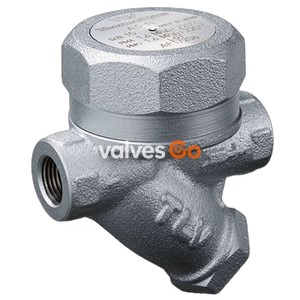
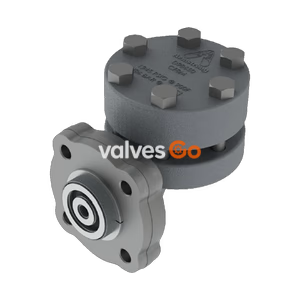
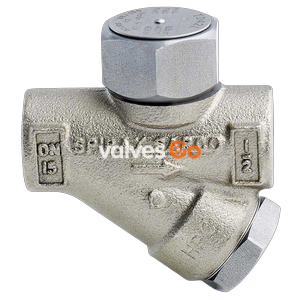
TLV P46SRW inline repairable thermodynamic disc steam trap for medium capacity applications up to 4.6 MPaG. Features a bimetal ring for thermostatic air venting.
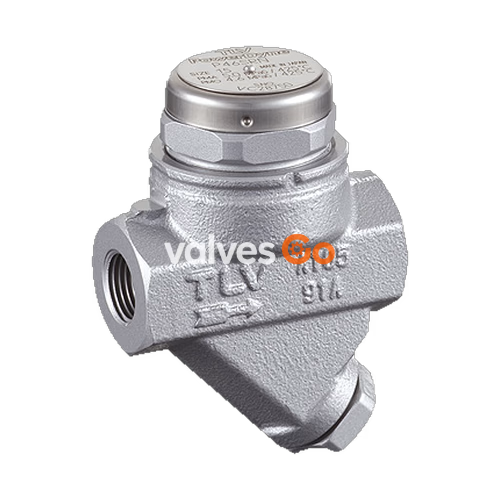
TLV P46SRW is an inline repairable thermodynamic disc steam trap with a thermostatic air vent. It can be used without adjustment for medium capacity applications between 0.03 and 4.6 MPaG, such as steam mains, tracers, and coils. The trap discharges condensate at a temperature slightly lower than the saturation temperature. The built-in bimetal ring provides quick thermostatic air venting, significantly reducing startup time by discharging initial air and cold condensate.
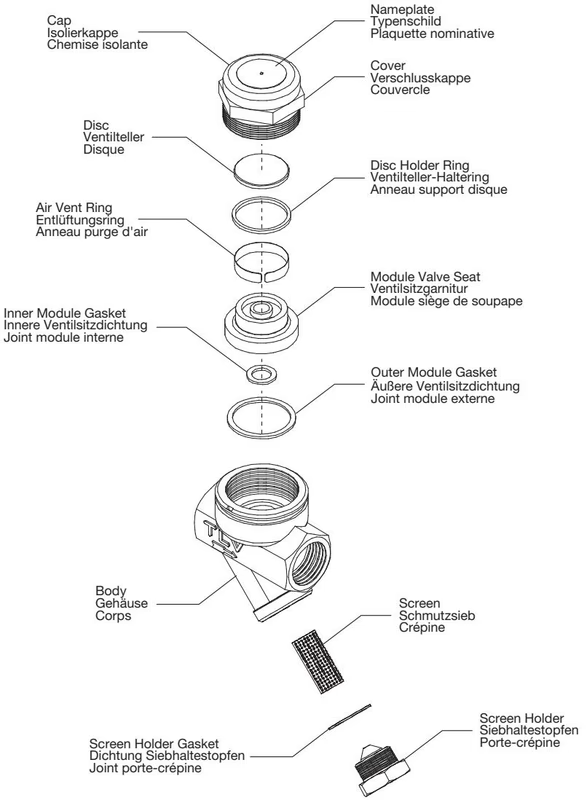
| No. | Description | No. | Description |
|---|---|---|---|
| 1 | Body | 8 | Nameplate |
| 2 | Module Valve Seat | 9 | Inner Module Gasket |
| 3 | Cover | 10 | Screen |
| 4 | Disc | 11 | Screen Holder Gasket |
| 5 | Disc Holder Ring | 12 | Screen Holder |
| 6 | Air Vent Ring (Bimetal) | 13 | Cap |
| 7 | Outer Module Gasket |
WARNING
Install properly and DO NOT use this product outside the recommended operating pressure, temperature and other specification ranges. DO NOT subject the trap to condensate loads that exceed its discharge capacity. Failure to observe this precaution may lead to condensate accumulation, resulting in reduced equipment performance or damage.
A visual inspection can aid in determining the necessity for immediate maintenance if the trap is open to atmosphere. Otherwise, use diagnostic equipment such as TLV TrapMan.
| Condition | Description |
|---|---|
| Normal | Condensate is discharged in a short blast followed by a longer period of no drainage. Flash steam may be seen during and slightly after discharge. |
| Blocked | No condensate is discharged. The trap is quiet and surface temperature is low. |
| Blowing | Live steam continually flows from the outlet, and there is a continuous metallic sound. |
| Steam Leakage | Live steam is discharged through the trap outlet together with condensate, accompanied by a high-pitched sound. |
| Chattering | The trap does not close properly. Steam is discharged in short rapid bursts. |
Operational inspections should be performed at least twice per year, or as called for by operating conditions.
| Part | Inspection Procedure |
|---|---|
| Body, Cover | Check inside for damage, dirt, grease, oil film, rust or scale |
| Gaskets | Check for warping or damage |
| Screen | Check for clogging or corrosion |
| Disc, Rings | Check for damage or wear |
| Module Valve Seat Surface | Check for damage or wear |
Tightening Torques:
| Problem | Cause | Remedy |
|---|---|---|
| No condensate is discharged (blocked) | Screen clogged with rust/scale; Air vent or disc holder ring broken; Disc sticking; Steam-locking | Clean; Replace ring; Perform bypass blow-down and cool trap |
| Steam leakage or blowing | Valve closure obstructed by scale; Worn parts; Back pressure exceeds allowable value | Clean or replace screen; Replace worn parts; Use within pressure range |
| Valve chattering | Foreign matter on disc/seat; Scratches or wear | Clean; Replace disc or valve seat |
| Leakage from other locations | Cover loose; Gaskets damaged | Tighten cover; Replace module gaskets |
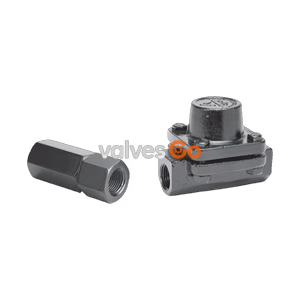
The BD2 Blowdown Valve, installed in place of the screen holder, uses internal pressure to blow out condensate, steam, dirt, and scale to the atmosphere. Always wear eye protection and heat-resistant gloves when operating the blowdown valve. Do not excessively loosen the BD2 valve when opening, as the stopper pin may break and cause the valve to blow off.
Explore similar products in our catalog