
Ductile Iron Body

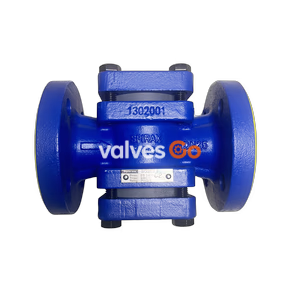
Yoshitake 150L-F plain type sight glass for checking fluid flow and color. Features ductile cast iron body, hardened glass, JIS 10K FF flanged connection, max 1.0 MPa, and 150°C.
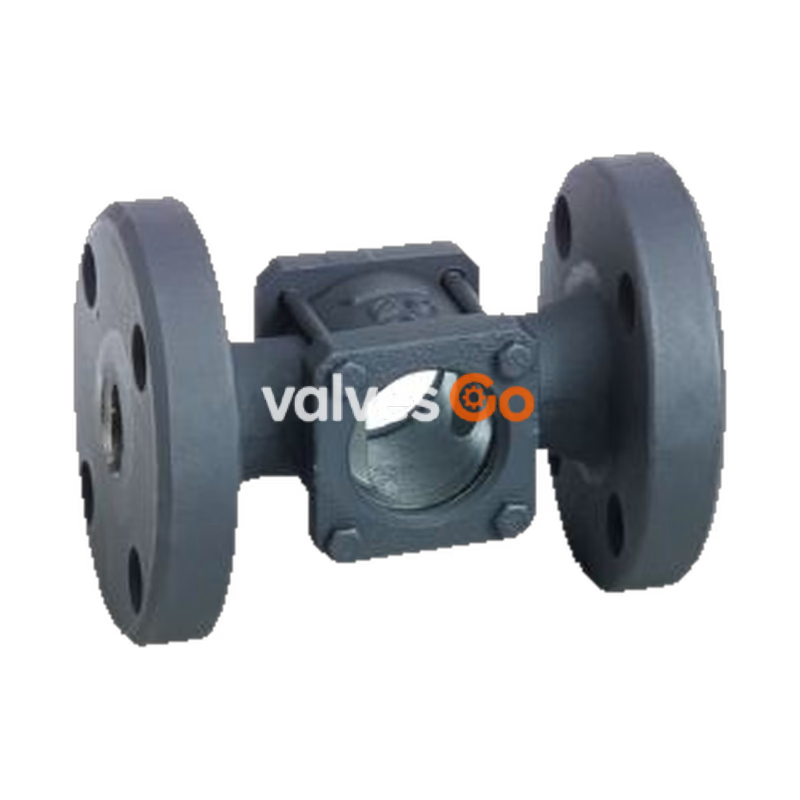
The Yoshitake 150L-F plain type sight glass is designed to permit visual checking of fluid flow inside a pipe. It is widely used for equipment protection and process control in manufacturing facilities. Featuring a ductile cast iron body and hardened glass, it allows the user to monitor the mixed state, color, or intermittent flow of non-dangerous fluids such as cold and hot water or oil.
| Specification | Value |
|---|---|
| Model | 150L-F |
| Type | Plain |
| Application | Cold and hot water, Oil, Other non-dangerous fluids |
| Nominal Size | 65A–150A |
| Maximum Working Pressure | 1.0 MPa |
| Temperature Range | 5–150°C |
| Max. Thermal Shock | 100°C |
| Body Material | Ductile cast iron |
| Glass Material | Hardened glass |
| Connection | JIS 10K FF flanged |
INFO
Available with mica plate for steam condensate applications. When used with a mica plate, the maximum allowable working pressure is 0.6 MPa. The glass part is considered a consumable part.
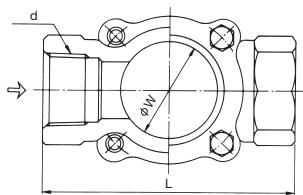
| Nominal Size | d | L (mm) | W (mm) | Weight (kg) |
|---|---|---|---|---|
| 65A | 65 | 235 | 97 | 14.7 |
| 80A | 73 | 235 | 97 | 15.1 |
| 100A | 100 | 277 | 130 | 26.5 |
| 125A | 125 | 336 | 155 | 36.8 |
| 150A | 140 | 380 | 165 | 60.5 |
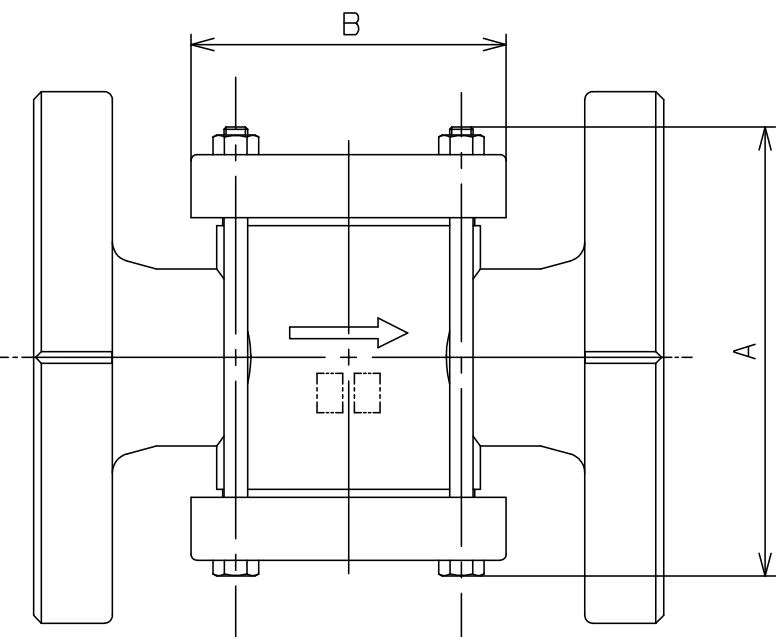
| No. | Name of Parts | Material |
|---|---|---|
| 1 | Body | Ductile Cast Iron (FCD450) |
| 2 | Cover | Ductile Cast Iron (FCD450) |
| 3 | Glass | Tempered Glasses |
| 4 | Gasket | Non-Asbestos |
| 5 | Nut | Rolled Steel (SS400) |
| 6/7 | Bolt / Stud Bolt | Carbon Steel (SCM435) / Rolled Steel (SS400) |
Installation Precautions
Operation Precautions
TIP
The glasses are consumable parts. Replace the glass if it is eroded by more than 10% of its thickness, if it has scratches or flaws, or if it becomes opaque after contacting certain types of fluid.
DANGER
Completely discharge the pressure inside of the product, piping, and equipment prior to disassembly and inspection. When fluid is hot, cool down the product to the condition that it can be touched with bare hands to avoid scalds.
Disassembly (150L, 150LM):
Reassembly:
| Nominal Size | Tightening Torque |
|---|---|
| 65A-125A | 29.4 N·m |
| 150A | 68.6 N·m |
| Trouble | Cause | Remedy |
|---|---|---|
| Fluid flow cannot be observed | 1. Foreign substances stick to the inner surface of the glass. 2. The inner surface of the glass has erosion or scratches. | 1. Disassemble and clean the product. 2. Disassemble the product and replace the glass. |
| Outside leakage | 1. The gasket leaks. 2. The glass is damaged. | Disassemble the product and replace the gasket or glass as needed. |
Yoshitake Instrumentation / Sight Glasses
SB, SF, SL, FS, 150F, and 150L series sight glasses and flow sights for visual monitoring of line conditions.
Explore similar products in our catalog