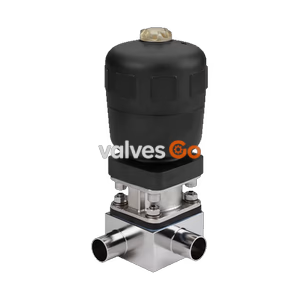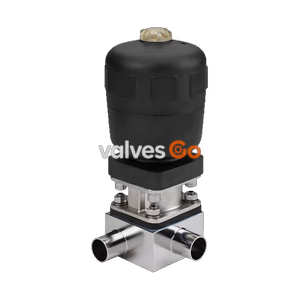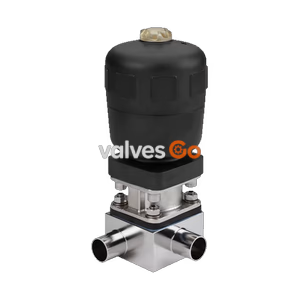
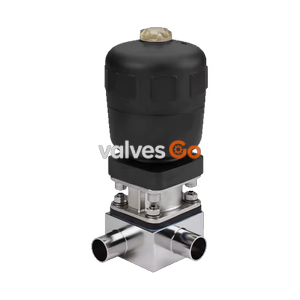
Type 2032

Bürkert 348435 Type 2031 2/2-way piston-operated diaphragm valve. Features normally open (CF B) operation, stainless steel body, weld end DN50, EPDM diaphragm, and PPS actuator.
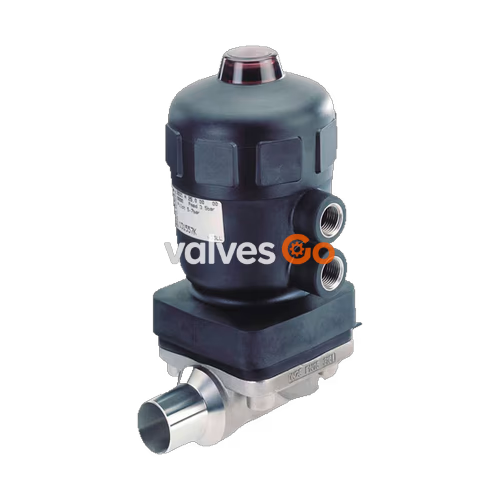
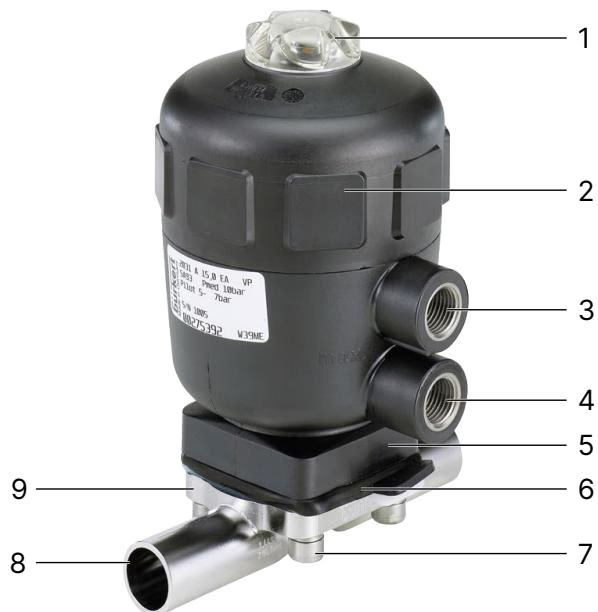
Bürkert 348435 Type 2031 is an externally controlled 2/2-way piston-operated diaphragm valve designed for reliable operation in hygienic or aggressive environments. This specific configuration features Control Function B (normally open by spring force), a stainless steel valve body with DN 50 (2 inch) weld end connections, an EPDM high-temperature diaphragm, and a compact, autoclavable PPS (Polyphenylene sulphide) actuator. The flow-optimised valve body with minimal dead space enables high volume flow rates (Kv value 47 m³/h) and ensures excellent cleanability.
The valve uses neutral gases or air to control the flow of media and is self-draining when installed in the appropriate position. It is suitable for neutral gases and liquids, as well as highly purified, sterile, aggressive, or abrasive media.
The type label provides essential technical specifications and identification data for the valve.
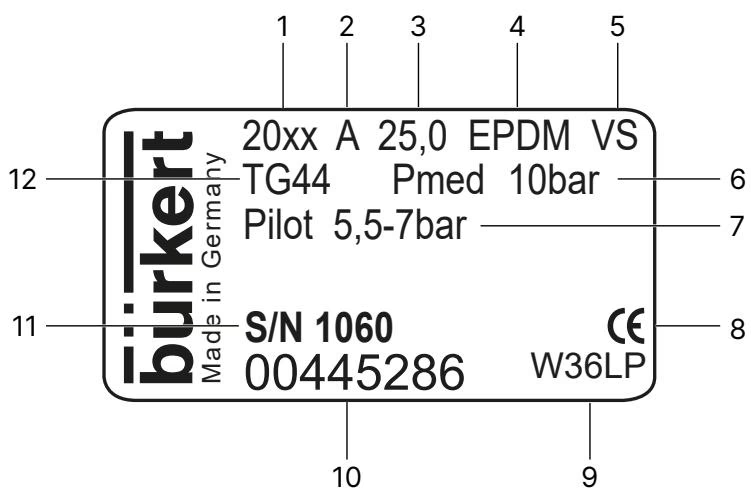
Fig: Description of the type label (example)
Permissible Temperatures:
Operating Pressure:
Risk of bursting due to overpressure
If the device bursts, escaping media may cause injuries, burns or scalds. Do not exceed the maximum permissible pilot pressure or maximum permissible operating pressure. Observe the permissible ambient temperature and medium temperature.
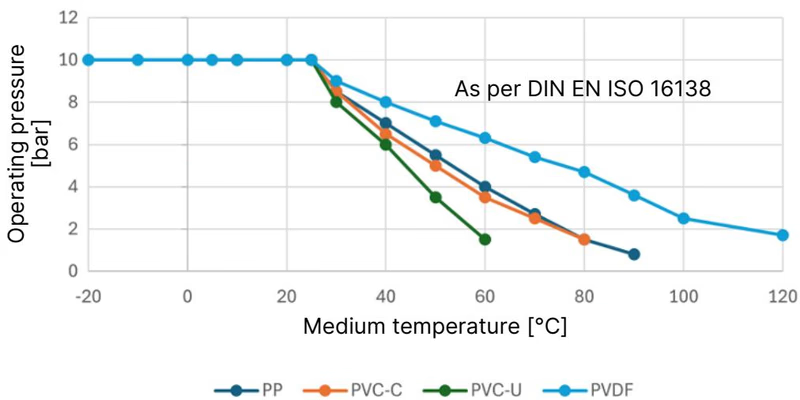
Pilot Pressure:
Malfunction due to incorrect pilot pressure
Valves with reduced spring force require reduced pilot pressure. Do not select a pilot pressure that is higher than required, as this is important for the service life of the diaphragm.
The installer and the operator are responsible for ensuring self-draining. The following points must be observed for optimum self-draining:
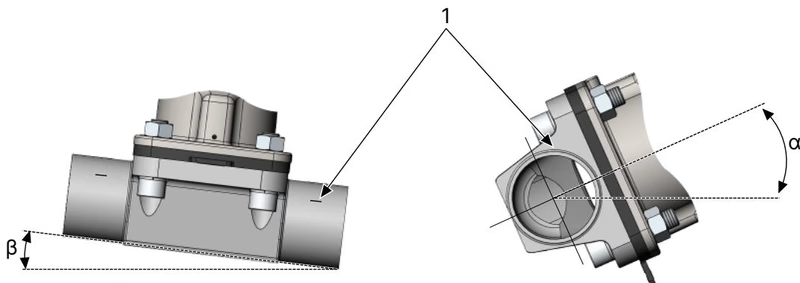
Fig: Installation position for self-draining
Damage to the diaphragm or the actuator
The diaphragm and actuator can be damaged when welding or bonding the valve body into the pipeline. Remove the actuator and diaphragm from the valve body before installation.
Risk of crushing
If the compressor is not positioned correctly and the actuator is actuated, this may result in injuries and damage to the device. Before actuating the actuator, ensure that the compressor is in the correct position.
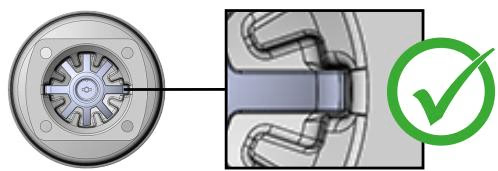
Fig: Correct and incorrect position of the compressor
Explore similar products in our catalog